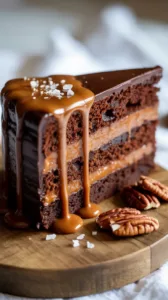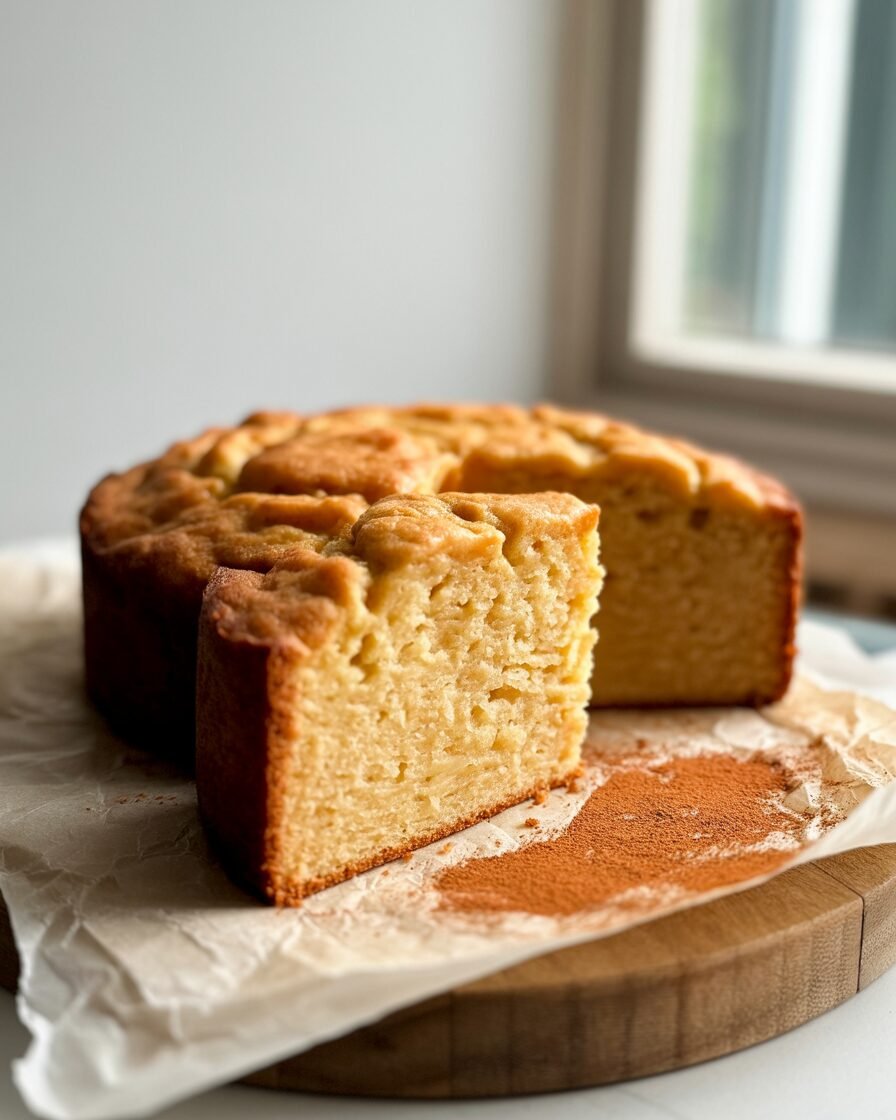
If cozy had a flavor, it would be this Applesauce Cake. This is the cake I make when someone texts me, “Do you have something quick but really good?” It comes together in one bowl, doesn’t require a mixer, and somehow tastes even better the next day—thanks to the magic of applesauce keeping every crumb moist. This recipe gives you a tender, cinnamon-kissed cake with a soft, plush crumb that never dries out.
Pro tip: Warm your applesauce slightly before mixing. It blends more smoothly with the oil and sugar, helping the crumb stay beautifully even.
Bake this when you want an easy, forgiving cake that still feels special—whether for tea, lunchbox snacks, or a last-minute dessert.
Why This Recipe Works
Applesauce brings both moisture and structure. Because it contains natural pectin, it helps bind the batter similarly to how eggs do—ideal for a cake that stays soft for days.
Using oil instead of butter keeps the cake tender even in the fridge. Oil remains liquid when chilled, so the crumb never gets firm or dull.
Finally, the balance of baking soda + vinegar + acidity in applesauce creates proper lift without causing tunneling or a soapy aftertaste. The reaction starts immediately, which is why you should get the batter into the oven quickly after mixing.
Ingredients For This Cake

Dry Ingredients
- All-purpose flour — 190g (1 ½ cups)
Provides structure; lower-protein flour keeps crumb soft. - Baking soda — ½ tsp (3g)
Reacting with acidity for lift. - Baking powder — 1 tsp (4g)
Ensures even rise throughout. - Salt — ¼ tsp
Balances sweetness. - Ground cinnamon — 1 tsp
Warm spice backbone. - Ground nutmeg — ¼ tsp (optional)
Adds depth without overpowering.
Wet Ingredients
- Granulated sugar — 150g (¾ cup)
Sweetness + moisture retention. - Light brown sugar — 50g (¼ cup)
Boosts caramel flavor and softness. - Neutral oil — 80ml (⅓ cup)
Keeps crumb tender. - Unsweetened applesauce — 240g (1 cup)
Moisture, structure, natural sweetness. - Egg — 1 large (50g)
Stability and richness.
(See egg-free substitution below.) - Vanilla extract — 1 tsp
- Apple cider vinegar — ½ tsp
Ensures full activation of baking soda.
Equipment
Required:
- 8-inch (20 cm) square pan or 8-inch round pan
- Whisk + silicone spatula
- Mixing bowls
- Kitchen scale (recommended)
- Oven or OTG
- Parchment for lining
Nice-to-have:
- Offset spatula
- Instant-read thermometer
- Fine mesh sieve
Step-by-Step Instructions with Visual Cues
Step 1 — Prep the pan & oven (5 minutes)
- Preheat oven to 175°C (350°F).
- Line pan with parchment; leave overhang for lifting out.
Visual cue: Your batter will be loose, so parchment prevents sticking and tearing.
Step 2 — Mix dry ingredients (1 minute)
Whisk together flour, baking soda, baking powder, salt, and spices.
Visual cue: Mixture should look uniform with no streaks of spices.
Step 3 — Combine wet ingredients (2–3 minutes)

In a larger bowl, whisk sugars, oil, applesauce, egg, vanilla, and vinegar.
If applesauce is cold, warm it 10–12 seconds in the microwave.
Visual cue: The mixture should look smooth, glossy, and slightly thick—no oily separation.
Step 4 — Add dry to wet (30–40 seconds)

Sift dry mixture over wet and fold gently until just combined.
Visual cue: Batter should be pourable and slightly fluffy. Small lumps are fine; do not overmix.
Step 5 — Bake (28–34 minutes)

Pour batter into the pan, smooth the top, and bake on the middle rack.
Doneness tests:
- A skewer comes out clean OR
- Internal temp reads 96–98°C (205–208°F).
- Edges pull slightly away from the pan.
Step 6 — Cool (45 minutes)

Cool in pan for 15 minutes, then lift out and cool fully.
Visual cue: Top should look matte (not wet) and spring back lightly when pressed.
Troubleshooting (5–8 Common Issues)
1. Cake sinks in the center
- Likely causes: Underbaked center, cold applesauce, too much leavening.
- Fix next time: Warm applesauce, measure leavening precisely, bake until internal temp hits 96–98°C.
2. Dry crumb
- Likely causes: Overbaking, too much flour, using sweetened applesauce.
- Fix: Weigh flour, reduce bake time by 3 minutes, use unsweetened applesauce.
3. Gummy or dense texture
- Causes: Overmixing, applesauce too cold, not enough leavening.
- Fix: Fold gently; warm applesauce.
4. Bitter or soapy taste
- Cause: Excess baking soda or soda not fully neutralized.
- Fix: Use exact amounts; make sure applesauce is acidic (or add vinegar).
5. Cracked top
- Cause: Oven too hot or pan too small.
- Fix: Use an oven thermometer; stick to an 8-inch pan.
6. Sticky, wet bottom
- Cause: Steam trapped—especially when cooling in the pan too long.
- Fix: Lift cake after 15 minutes.
Substitutions & Variations
Egg-Free Version
Replace the egg with:
- Additional applesauce — 50g (¼ cup) + 1 tbsp cornstarch
Texture slightly denser but still moist and lovely.
Dairy-Free Version
Recipe is naturally dairy-free.
Gluten-Free Version
Use a 1:1 gluten-free flour blend (190g) with xanthan gum.
Note: Crumb will be looser; cool fully before slicing.
Flavor Variations
- Applesauce Spice Cake: Add ½ tsp ginger + ¼ tsp cloves.
- Chocolate Applesauce Cake: Replace 30g flour with 30g cocoa powder; add 2 tbsp extra applesauce.
- Cranberry or Raisin Mix-In: Fold ½ cup into batter.
Scaling Guide
| Pan Size | Multiply Recipe By |
|---|---|
| 6-inch | 0.75× |
| 8-inch | Standard |
| 9×13-inch | 2× |
Cupcake option: Makes 12 cupcakes, bake 18–20 min.
Storage, Make-Ahead & Freezing
Room Temperature
Store airtight for 3 days. This cake stays moist.
Refrigerator
Up to 5 days. Bring to room temp or warm 10 seconds to revive softness.
Freezer
Freeze slices or whole cake (wrapped well) for up to 2 months.
Thaw at room temperature, unwrapped, to prevent condensation.
Avoid freezing with glaze/frosting—it separates.
Serving Suggestions
- Dust with powdered sugar
- Add cream cheese frosting for a richer dessert
- Pair with caramel sauce or maple glaze
- Serve warm with vanilla ice cream
The cake’s spice and gentle sweetness pair beautifully with anything creamy or tangy.
FAQs
1. Can I use sweetened applesauce?
Yes, but reduce sugar by 2 tbsp. Texture stays the same.
2. How do I stop the cake from turning gummy?
Warm your applesauce, fold gently, and don’t overbake.
3. Can I double the recipe?
Yes—use a 9×13-inch pan and bake 30–38 minutes.
4. Can I bake this in an OTG?
Absolutely. Use the middle rack, heat both coils, and avoid opening the door early.
5. What’s the best oil for this cake?
Neutral oils like canola, sunflower, or grapeseed keep flavors clean.
Notes From My Kitchen (Testing Log)
Batch 1: Used cold applesauce → dense center. Heated applesauce next time.
Batch 2: Tried all brown sugar → flavor great but crumb too damp.
Batch 3: Adjusted sugar ratio + added vinegar → perfect lift.
Batch 4: Tested gluten-free blend → needed full cool time before slicing.
Final Version: Oil + warm applesauce + soda/powder combo produced the most even crumb and longest shelf life.
Nutrition & Disclaimer
Approx. per slice (1 of 9): 215 calories (estimate).
Values vary by brand. Always follow food-safety best practices.
Conclusion
This Applesauce Cake proves that simple ingredients can deliver a cake that’s irresistibly soft, fragrant, and comforting. It’s the kind of recipe that fits into real life—a no-mixer batter, pantry staples, and results that remain consistent every single time.
Whether you’re baking for a weekday treat or prepping ahead for guests, this cake is reliable, adaptable, and nearly impossible to mess up. If you love fuss-free baking with big payoff, this one belongs in your regular rotation.