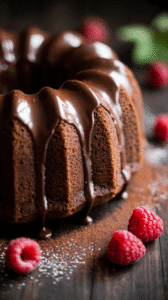
If you’ve ever wanted a cake that tastes like sunshine but feels as soft as a bakery-style café loaf, this Lemon Almond Cake is the one you’ll bookmark forever. It’s bright, tender, naturally moist, and beautifully fragrant — thanks to the blend of fresh lemon zest and finely ground almond flour. This is the cake I bake when I need something impressive but unfussy, and when I want guaranteed results on the very first try.
Promise: Expect a soft, velvety crumb with long-lasting moisture and clean lemon flavor.
Pro Tip: Rubbing lemon zest directly into the sugar releases aromatic oils and deepens citrus flavor without bitterness.
Why This Recipe Works
Almond flour changes everything in a citrus cake. Because it’s naturally high in fat, it creates a plush, moist crumb that stays soft for several days — something all-flour lemon cakes struggle with. The combination of acid (lemon) and balanced leavening (baking powder) ensures lightness without leading to gumminess, which can happen when almond flour is used incorrectly.
Using room-temperature eggs helps the batter emulsify properly, trapping air for better rise. Meanwhile, neutral oil (instead of butter) ensures consistent moisture and keeps the lemon flavor the star. I also use a slightly thicker batter to support the almond flour, preventing the cake from sinking in the center.
Every decision here — from mixing technique to zesting method — is built around producing a cake that’s bright, tender, and practically foolproof.
Ingredients (with weights + purpose)

Dry Ingredients
- Almond flour — 120 g (1¼ cups) — Adds richness, moisture, and tender crumb.
- All-purpose flour — 140 g (1 cup) — Provides structure so the cake doesn’t collapse.
- Granulated sugar — 180 g (¾ cup + 2 tbsp) — Sweetens and extracts lemon oils during zest rubbing.
- Baking powder — 6 g (1½ tsp) — Lifts the cake evenly.
- Fine sea salt — 2 g (¼ tsp) — Balances acidity and sweetness.
Wet Ingredients
- Neutral oil — 90 g (½ cup) — Keeps crumb moist for days.
- Eggs, room temperature — 2 large (100 g) — Bind and provide structure.
- Whole milk or almond milk — 120 g (½ cup) — Hydrates batter; adds tenderness.
- Fresh lemon juice — 45 g (3 tbsp) — Bright acidity.
- Lemon zest — from 2 medium lemons — Main flavor driver.
- Vanilla extract — 5 g (1 tsp) — Rounds out citrus notes.
Optional Topping: powdered sugar or thin lemon glaze.
Equipment
Required:
- 8-inch (20 cm) round cake pan
- Mixing bowls, whisk, rubber spatula
- Kitchen scale
- Oven/OTG (accurate temperature matters)
- Fine zester
- Parchment paper circle
Nice to Have:
- Offset spatula
- Instant-read thermometer
- Sieve for dusting sugar
Step-by-Step Instructions (with visual cues)
Step 1 — Prep the pan & oven
Preheat oven to 170°C (340°F). Line an 8-inch pan with parchment and lightly oil the sides.
Visual cue: Pan should have a thin, even sheen — not puddled oil.
Step 2 — Activate the lemon zest

In a bowl, rub lemon zest into the sugar for 30–45 seconds.
Visual cue: Sugar should feel slightly damp and smell intensely citrusy.
This step releases natural oils from the zest.
Step 3 — Mix dry ingredients

Whisk almond flour, all-purpose flour, baking powder, and salt into the lemon sugar.
Visual cue: No visible clumps of almond flour.
Step 4 — Mix wet ingredients

In a separate bowl, whisk eggs, oil, lemon juice, milk, and vanilla until smooth (10–15 seconds).
Visual cue: Mixture should look pale yellow and cohesive — not streaky.
Step 5 — Combine

Pour wet ingredients into dry. Fold gently with a spatula until just combined, 12–15 strokes.
Visual cue: Batter should be thick, pourable, and slightly grainy from almond flour. Avoid overmixing.
Step 6 — Bake
Transfer batter to the prepared pan. Smooth the top.
Bake 32–38 minutes, middle rack.
Visual cues for doneness:
- Top is golden and springs back when touched.
- Skewer comes out clean with a few moist crumbs.
- Internal temp: 96–98°C (205–208°F).
Step 7 — Cool

Cool in pan for 10 minutes, then transfer to a rack.
Visual cue: Edges pull slightly away from the pan, and the cake feels light when lifted.
Troubleshooting (5–8 common issues)
Problem: Cake sinks in center
Likely causes: Underbaked middle, cold eggs, too much lemon juice.
Fix: Bake to internal 96–98°C; use room-temp eggs; do not increase liquid acid.
Problem: Dense/gummy crumb
Likely causes: Overmixed batter or low oven temperature.
Fix: Fold gently; verify your oven hits 170°C.
Problem: Dry edges
Likely causes: Overbaking or using a dark pan.
Fix: Reduce bake time by 3–5 minutes; lower oven temp to 165°C for dark pans.
Problem: Bitter flavor
Likely causes: Excess zest or pith.
Fix: Zest only the yellow peel — stop before white pith.
Problem: Cracked top
Likely causes: Oven too hot or batter too thick.
Fix: Lower temp slightly or add 1 tbsp more milk next time.
Substitutions & Variations
Dietary Swaps
- Egg-free: Replace 2 eggs with 120 g (½ cup) unsweetened yogurt. Texture becomes slightly denser but still moist.
- Dairy-free: Use almond milk or oat milk; no change needed.
- Gluten-free: Replace AP flour with 1:1 GF blend. Add +10 g milk to avoid dryness.
Flavor Variations
- Add 1 tsp poppy seeds for a bakery-style twist.
- Swap lemon for orange or Meyer lemon (reduce sugar by 10 g if using sweeter citrus).
- Add ½ tsp cardamom for a warm, aromatic note.
Scaling
6-inch cake: Multiply ingredients by 0.75.
8-inch (original): Full recipe.
12 cupcakes: Bake 16–18 minutes at 170°C.
Storage, Make-Ahead & Freezing
- Room temperature: 3 days in airtight container.
- Refrigerator: Up to 6 days; bring to room temperature before serving (flavors bloom).
- Freezer: Up to 2 months. Wrap slices individually in plastic + freezer bag.
Thaw at room temp 1 hour.
Do not freeze: Any glaze made with fresh dairy; it may split.
Serving Suggestions
Serve with:
- Light lemon glaze
- Whipped cream (unsweetened balances citrus)
- Fresh berries
- Almond slivers toasted for crunch
Pairs beautifully with tea or iced coffee.
FAQs
1. Can I reduce the sugar?
Yes — reduce by up to 20%. Lower sugar may slightly affect browning.
2. Why did my cake turn dense?
Usually overmixing. Almond flour is delicate; fold gently.
3. Can I double the recipe?
Yes. Bake in a 9×13 inch pan for 30–35 minutes.
4. Can I bake this in an OTG?
Yes — use the middle rack, both rods on, and ensure a full 10-minute preheat.
5. What oil works best?
Neutral oils like canola, rice bran, or sunflower. Avoid strong olive oil unless you want that flavor.
Notes From My Kitchen (Testing Log)
Batch 1: Tried butter instead of oil — flavor was lovely but crumb was drier by Day 2. Switched to oil.
Batch 2: Used extra lemon juice; center sank slightly. Returned to 45 g lemon juice.
Batch 3: Zest rubbed into sugar = huge flavor improvement.
Final Bake: Balanced almond flour + oil gave the softest, most stable crumb.
Nutrition & Disclaimer
Approx. per serving (1 of 10 slices): ~255 calories.
Values are estimates; actual values vary by ingredient brands. Always follow food-safety best practices.
Conclusion & Final Thoughts
This Lemon Almond Cake is one of those rare bakes that feels effortless yet tastes bakery-level. It’s bright, soft, naturally moist, and incredibly reliable — even for beginner bakers or anyone working with minimal equipment. Because almond flour and lemon play so well together, every slice stays tender for days and delivers the perfect balance of citrus and sweetness.
Whether you serve it plain, dress it up with a glaze, or turn it into cupcakes, this recipe gives you consistent results and plenty of room for creativity. If you’re looking for a dependable, feel-good cake to add to your rotation, this one belongs at the top of your list.