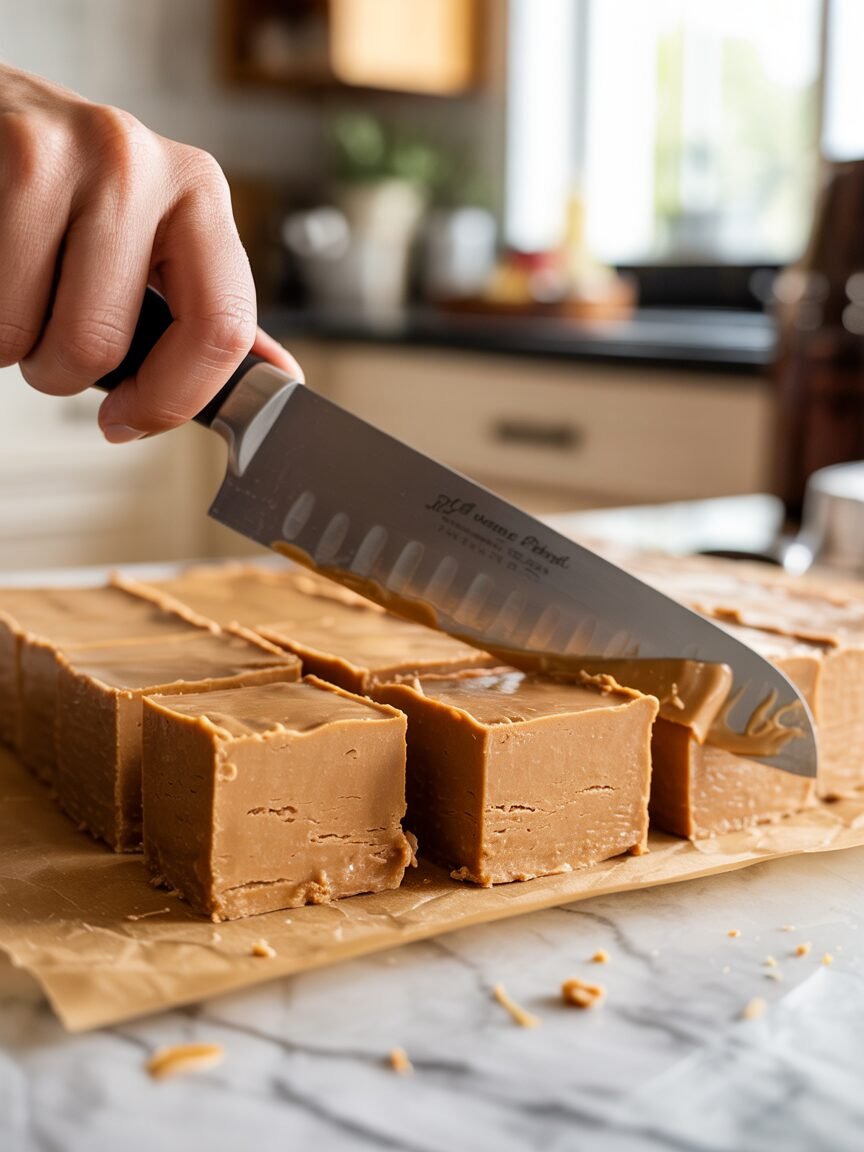
This easy peanut butter fudge recipe delivers creamy, rich bites every time no candy thermometer needed. It’s foolproof for beginners, customizable for dietary needs, and sets up quickly. The secret? A pinch of salt and precise melting technique, which ensures smooth, non-grainy fudge with a melt-in-your-mouth texture.
Why This Recipe Works
This fudge uses a simple two-ingredient base—peanut butter and powdered sugar—that comes together in under 15 minutes. The powdered sugar dissolves instantly, so there’s no risk of graininess from crystallized sugar, unlike traditional boiled fudge. Peanut butter’s natural oils prevent dryness, while a touch of salt balances the sweetness and enhances flavor depth. For extra creaminess, a small amount of softened butter or coconut oil can be blended in, but it’s optional.
- Peanut butter: Provides flavor and fat, which coats sugar particles for a smooth texture.
- Powdered sugar: Dissolves easily, giving the fudge its classic sweetness and soft structure.
- Salt: Counters sweetness and brings out the peanut butter’s nutty notes.
Ingredients
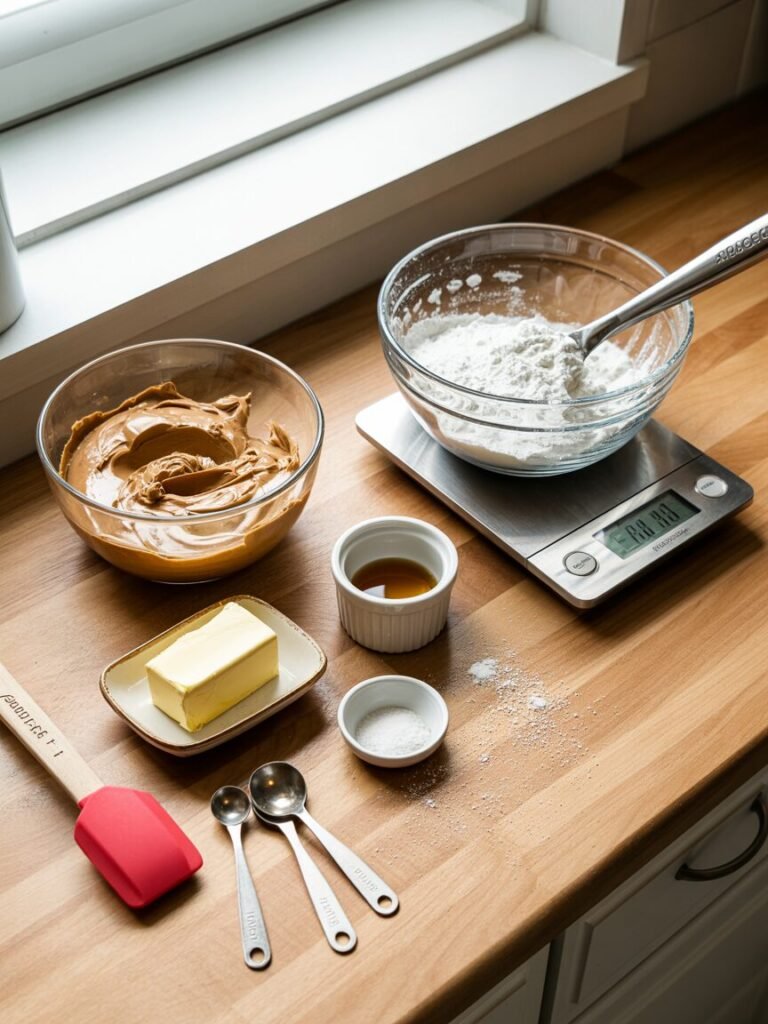
- Peanut butter (creamy, unsalted) — 200g (7/8 cup) — Flavor and fat base
- Powdered sugar (icing sugar) — 250g (2 cups) — Sweetness and structure
- Unsalted butter (or coconut oil) — 30g (2 tbsp) — Creaminess (optional)
- Vanilla extract — 1 tsp — Flavor enhancement
- Salt — 1/4 tsp — Balances sweetness
Equipment
- 8×8 inch (20×20 cm) baking pan
- Parchment paper (for lining pan)
- Spatula
- Mixing bowl
- Hand mixer or wooden spoon
- Kitchen scale (for accuracy)
- Measuring spoons
Step-by-Step Instructions
Step 1: Line your pan with parchment paper, letting the edges hang over for easy removal.
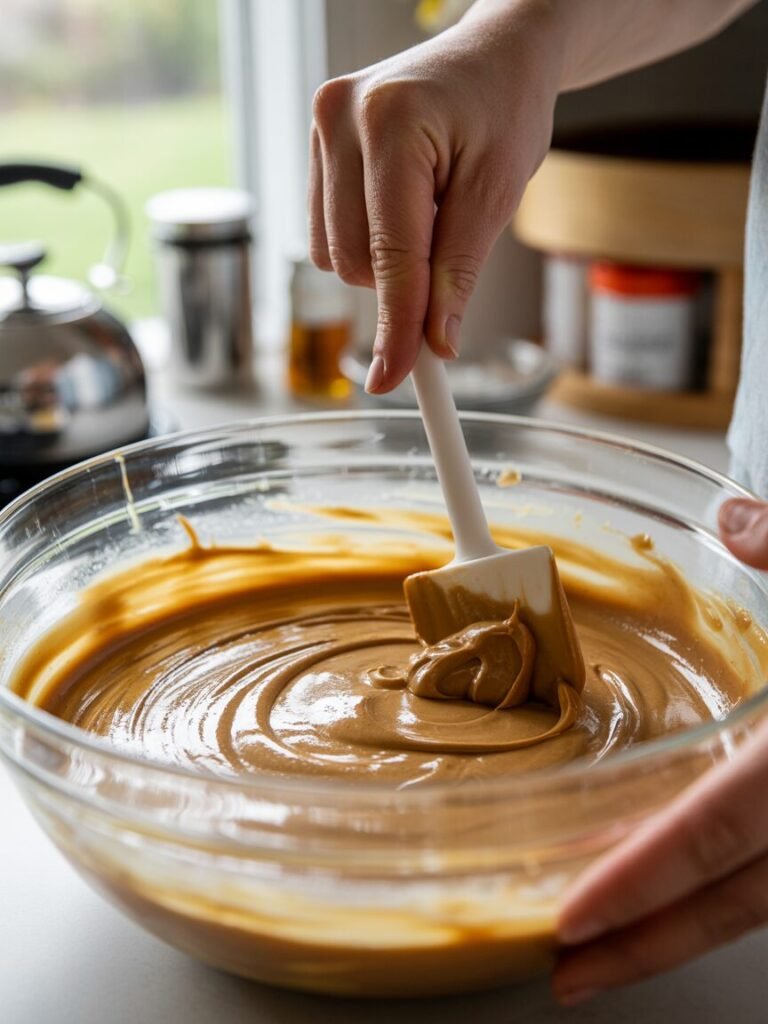
Step 2: In a large bowl, combine peanut butter, softened butter (if using), vanilla, and salt. Mix with a hand mixer or spoon until smooth.
- Visual cue: Mixture should be thick but spreadable, not stiff or oily.
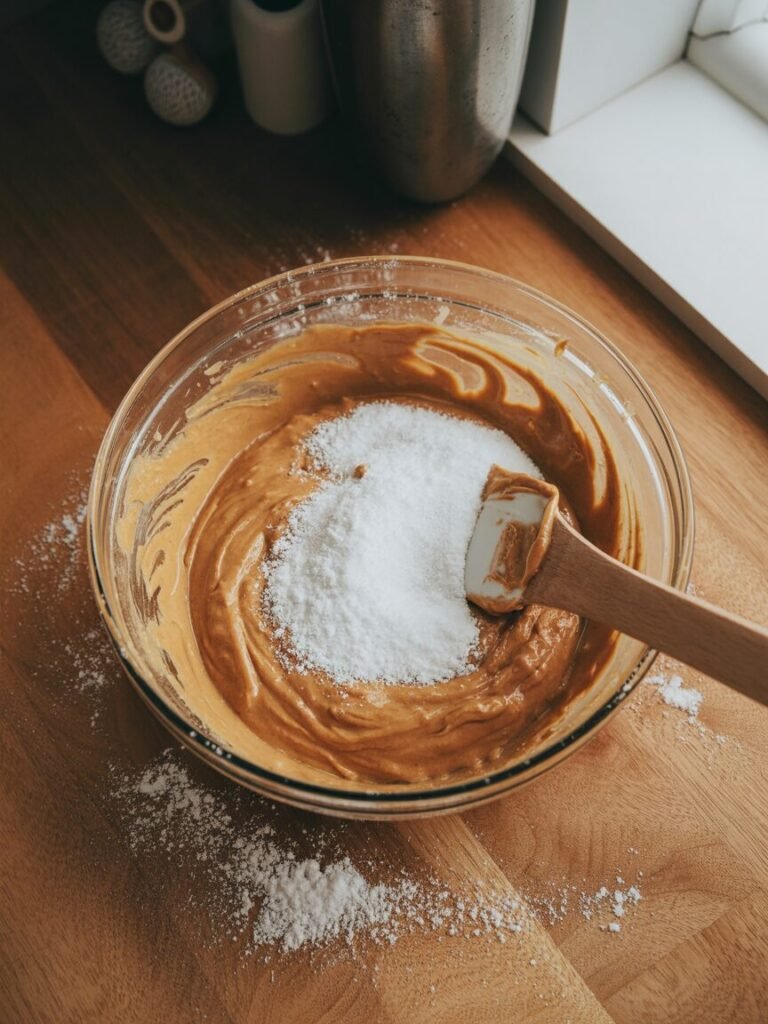
Step 3: Gradually add powdered sugar, one cup at a time, mixing well after each addition.
- Visual cue: Batter should be stiff enough to hold shape when pressed, not runny.
Step 4: Transfer the fudge to your prepared pan. Use the spatula to press into an even layer.
- Pro tip: Run the spatula under hot water for a smoother finish.
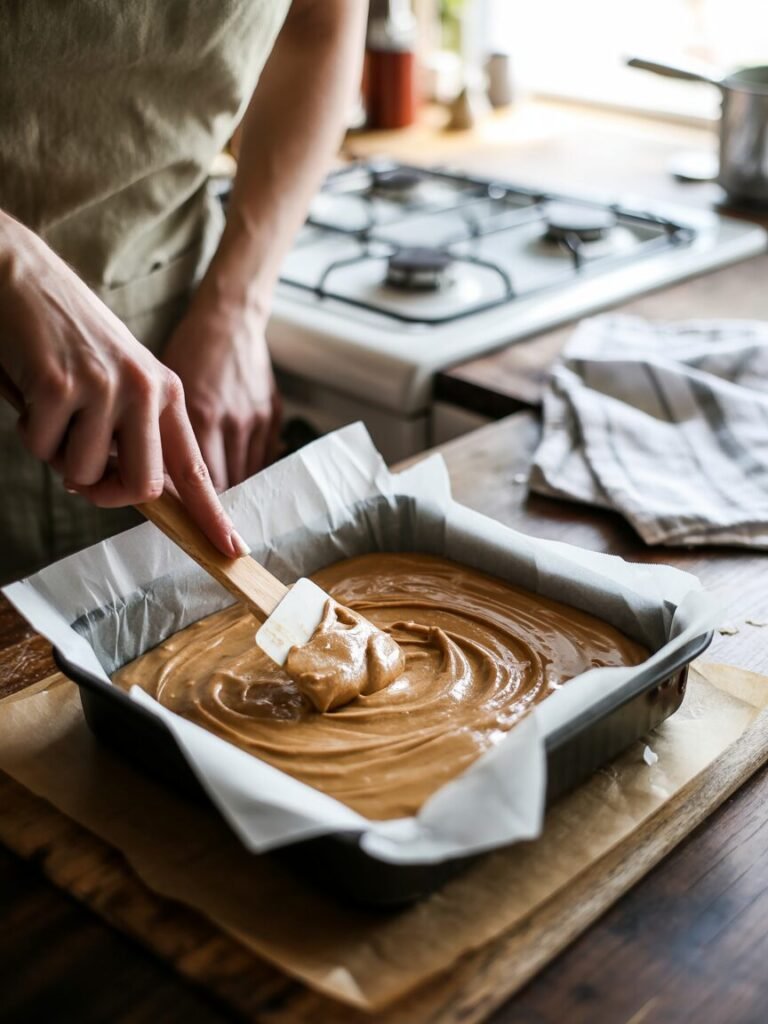
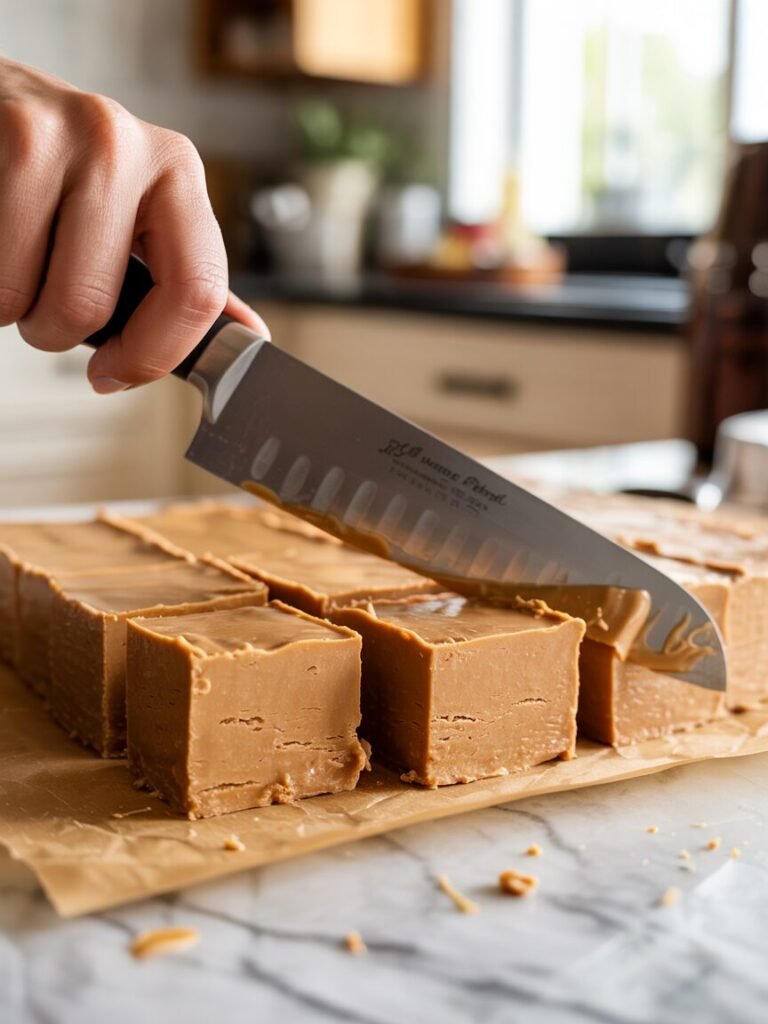
Step 5: Refrigerate for 1–2 hours until set. Cut into squares with a sharp knife.
- Doneness test: Fudge should slice cleanly and hold its shape.
Troubleshooting: Common Failures and Fixes
- Grainy texture: Likely from undissolved sugar. Sift powdered sugar and mix thoroughly.
- Too soft: Add more powdered sugar, 1 tbsp at a time, until it reaches a firm consistency.
- Too hard: Over-mixing or excess sugar. Next time, reduce sugar by 10–15g.
- Oily fudge: Peanut butter had too much oil; blot the surface with paper towel or chill longer.
- Dry or crumbly: Insufficient fat; add 1–2 tsp of melted butter or coconut oil next time.
- Not setting: Chill longer or reduce moisture (use less vanilla).
Substitutions and Variations
- Dairy-free: Use coconut oil instead of butter.
- Gluten-free: All ingredients are naturally gluten-free.
- Lower sugar: Replace 50g powdered sugar with almond flour, but expect a less sweet, crumblier texture.
- Flavor swaps: Add 1/2 tsp cinnamon, chopped nuts, or chocolate chips for variety.
- Different peanut butter: Natural or crunchy peanut butter works, but may alter texture.
Scaling Table
| Pan Size | Peanut Butter | Powdered Sugar | Butter/Coconut Oil |
|---|---|---|---|
| 6×6 inch | 100g | 125g | 15g |
| 8×8 inch | 200g | 250g | 30g |
| 12 cupcakes | 200g | 250g | 30g |
Storage, Make-Ahead, and Freezing
- Counter: Store in an airtight container for up to 5 days.
- Fridge: Keeps for up to 2 weeks; let come to room temp before serving for best texture.
- Freezer: Freeze for up to 2 months. Thaw in fridge or at room temp for 30 minutes.
- What not to freeze: Do not refreeze thawed fudge, as it may become oily.
Serving Suggestions and Pairing Ideas
- Pair with fresh fruit for a balanced snack.
- Serve with coffee or tea for a sweet treat.
- Sprinkle with sea salt for extra flavor contrast.
FAQs
- Can I use natural peanut butter? Yes, but it may make the fudge softer. Chill longer before cutting.
- Can I use regular sugar? No, powdered sugar is essential for texture and easy mixing.
- How to double the recipe? Use a larger pan and double all ingredients; expect a slightly thicker fudge.
- Can I make it in an air fryer? Not recommended—this is a no-bake fudge.
- Why is my fudge oily? Some peanut butter brands have extra oil; blot excess with a paper towel.
Notes from My Kitchen (Testing Log)
- Batch 1: Used crunchy peanut butter. Texture was pleasant, but some people preferred creamy.
- Batch 2: Tried less powdered sugar. Fudge was too soft and didn’t set well.
- Batch 3: Added a tablespoon of coconut oil. Fudge was creamier, set perfectly.
- Final method: Stuck with creamy peanut butter and 250g powdered sugar for ideal texture and flavor.
Nutrition and Disclaimer
- Approximate per square (1/16th recipe): 120 kcal, 5g fat, 15g carbs, 3g protein (varies by peanut butter brand).
- Values are estimates; adjust for brands and portion size. Follow food-safety best practices.
Final Thoughts
This peanut butter fudge recipe is simple, flexible, and delivers perfect results for home bakers. With clear steps, tested substitutions, and visual cues, you’ll be able to troubleshoot and customize with confidence. Sarah at Bake My Sweet has tested every detail so you can enjoy a fuss-free, delicious treat every time.
Peanut Butter Fudge in Minutes: Creamy, No-Bake Perfection
Course: No Bake RecipesCuisine: AmericanDifficulty: Easy15
servings10
minutes120
kcal2
hours10
minutesThis easy peanut butter fudge blends creamy peanut butter with powdered sugar for a smooth, melt-in-your-mouth treat. It requires no candy thermometer and minimal equipment—perfect for beginners and home bakers. The fudge sets firmly in the fridge and offers a sweet, nutty indulgence with balanced saltiness.
Ingredients
200g creamy unsalted peanut butter (7/8 cup) — Provides fat and flavor base
250g powdered sugar (2 cups), sifted — Sweetness and smooth texture
30g unsalted butter (2 tbsp), softened (optional) — Adds creaminess
1 tsp vanilla extract — Enhances flavor
1/4 tsp salt — Balances sweetness and deepens peanut flavor
Directions
- Prep the pan: Line an 8×8 inch pan with parchment paper, letting edges hang over the sides for easy removal.
- Mix base: In a large bowl, combine peanut butter, softened butter (if using), vanilla, and salt. Mix with a spatula or hand mixer until smooth and thick but spreadable.
Visual cue: Mixture should be glossy and hold together without oil separation. - Incorporate powdered sugar: Gradually add powdered sugar, mixing thoroughly after each addition until the fudge forms a stiff dough-like batter.
Visual cue: Batter should be thick and hold shape when pressed, not runny or oily. - Press into pan: Transfer the mixture to the prepared pan and use a spatula to spread evenly, smoothing the top using a spatula dipped in warm water for a polished finish.
- Chill: Refrigerate for 1 to 2 hours until firm enough to cut.
- Slice and serve: Lift fudge out using parchment edges, cut into 16 squares with a sharp knife.
Notes
- Storage
Store covered in an airtight container at room temperature for up to 5 days.
Refrigerate for up to 2 weeks; bring to room temp before serving for best texture.
Freeze for up to 2 months; thaw in fridge or at room temp for 30 minutes. Do not refreeze. - Troubleshooting Tips
Grainy fudge: Sift powdered sugar and mix more thoroughly.
Too soft: Add a tablespoon more powdered sugar and chill longer.
Too hard: Reduce powdered sugar slightly next time.
Oily top: Use less oily peanut butter or blot excess oil before chilling. - Nutrition (Approximate per serving)
Calories: 120 kcal
Fat: 5g
Carbohydrates: 15g
Protein: 3g