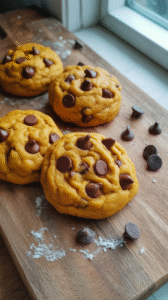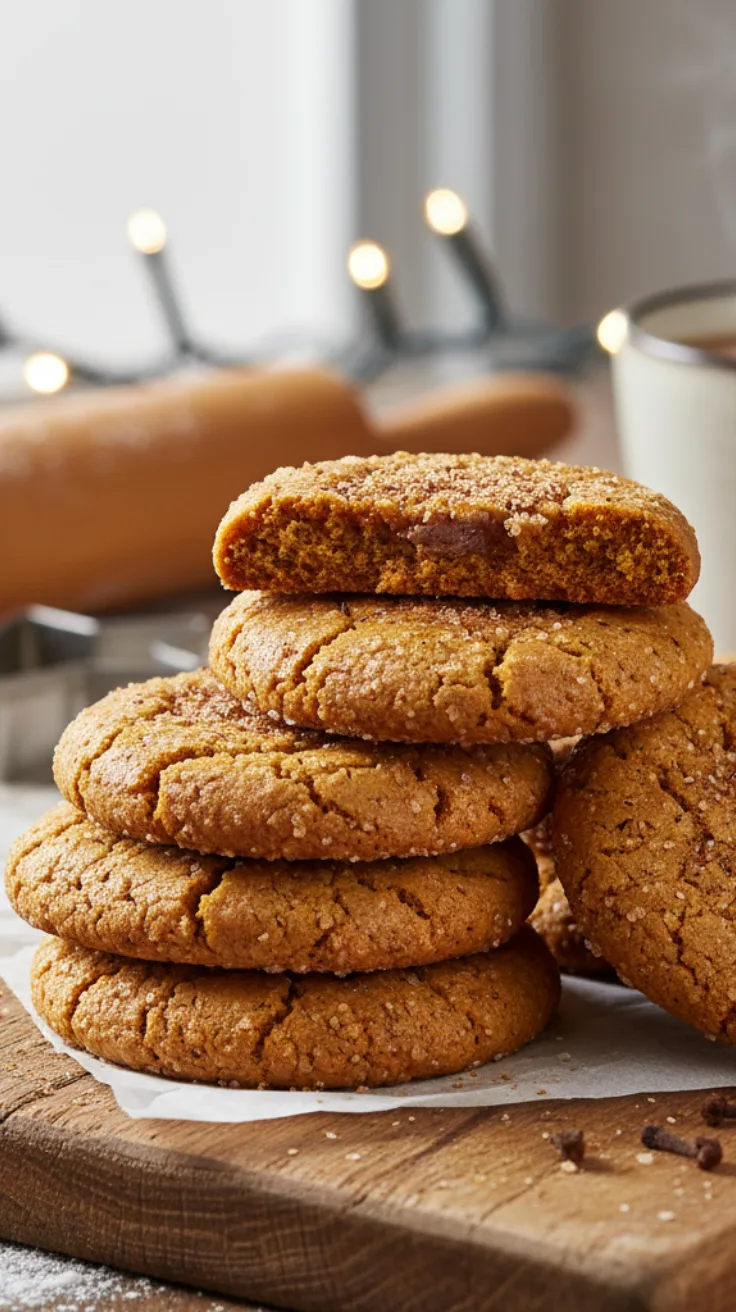
There’s something about the holidays that makes everyone a baker, at least for a day. For me, it’s that scent of cinnamon and molasses curling through the house, promising that good things are on their way. My gingerbread cookies come from a couple of experiments (fine, maybe several batches) in my own kitchen, tweaked until they snap just right and still manage to keep their shape during baking. No stand mixer required, you just need a little elbow grease and a lot of patience. If you can swing it, let your dough sit overnight: I’ve found the spices open up a bit more, and the edges stay crisp even as the centers stay chewy. These are sturdy enough for decorating, packable for gifting, and dangerously snackable with a steaming mug of something spicy. If you’re looking for a centerpiece cookie, I’d start here.
Why These Cookies Actually Work
Gingerbread cookies seem simple, but the difference between a flat, pale disc and something with character often comes down to three things: molasses, baking soda, and spices. Molasses isn’t just for flavor it brings moisture and a deep, glossy color you can’t fake. Baking soda helps the cookies puff up and spread slightly, giving them that delicate edge. As for spices, fresh is best, but to be honest, I’ve used the dust at the back of the spice drawer in a pinch, and the world didn’t end.
Creaming butter and brown sugar by hand might feel unnecessary when you’re in a rush, but that extra air is part of what keeps the cookies light. Molasses, which is surprisingly acidic, reacts with the baking soda to create little bubbles of gas, but in a way that works for you. For me, the real game-changer was resting the dough overnight: it lets the flour absorb the liquid evenly, and seems to blunt the harshness of spices like clove and ginger.
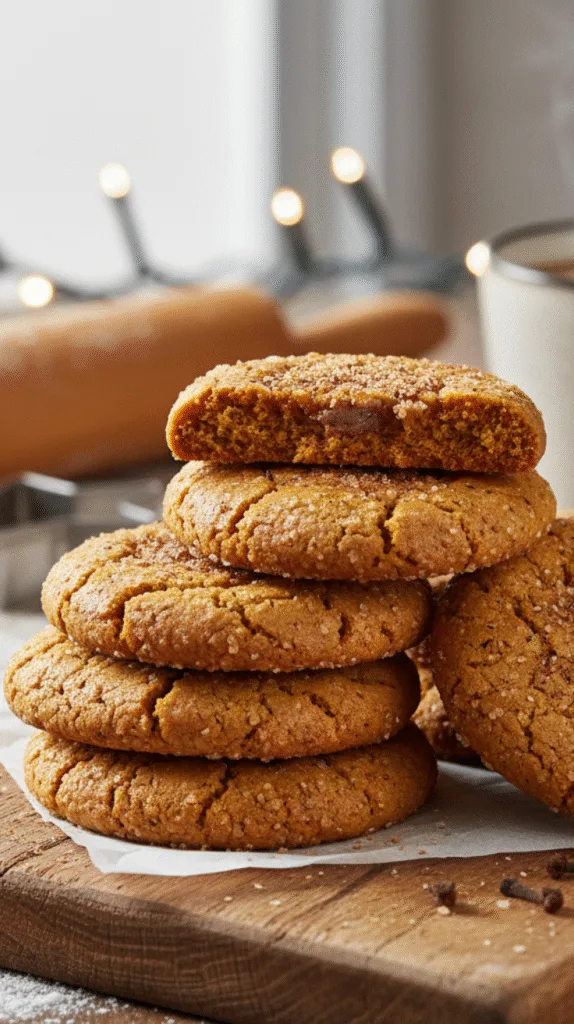
That’s not to say things can’t go wrong. Add too much flour, and the cookie turns more like a cracker. Skip the chilling, and your gingerbread might spread into something more like a pancake. But when you hit the balance, you get cookies that crackle when you bite in, with a tender chew and a spice level that lingers without burning.
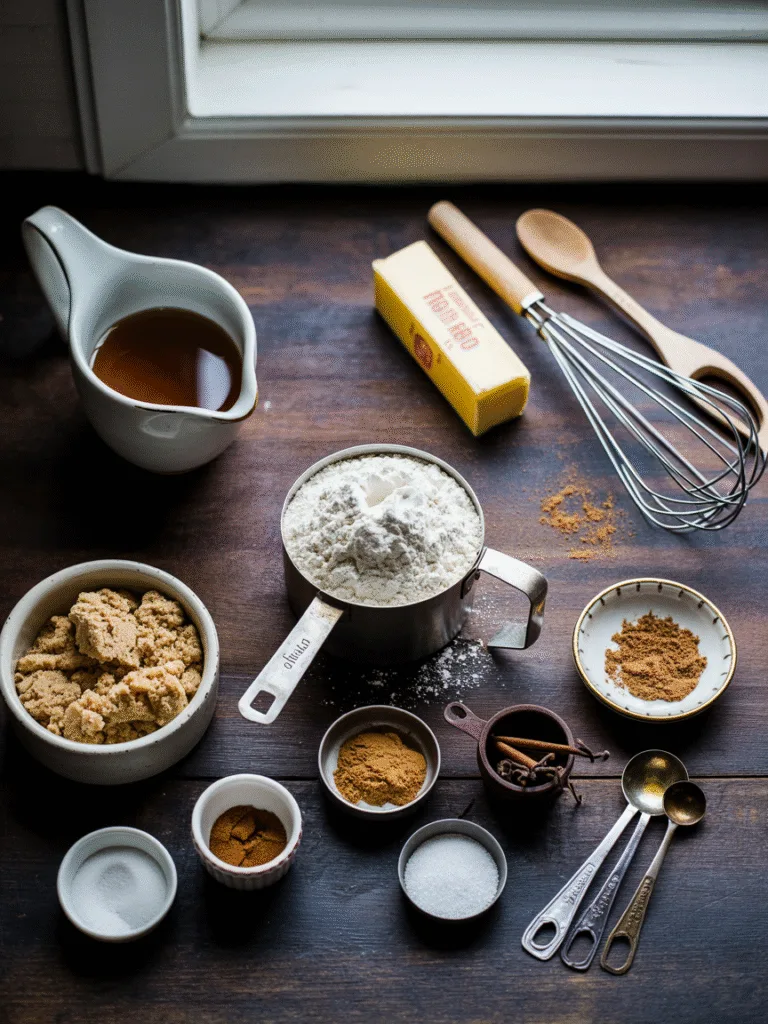
Ingredients & Why They Matter
Here’s the rundown because knowing what each item does means you’re less likely to end up frustrated.
| Ingredient | Grams | Cups (approx.) | Why It’s Here & What to Know |
|---|---|---|---|
| All-purpose flour | 300 | 2 1/2 | Structure; want gluten-free? Use a blend, but expect stickier dough |
| Unsalted butter | 115 | 1/2 | Makes them tender; ghee or coconut oil also work, texture varies |
| Brown sugar | 150 | 3/4 | Keeps things moist and sweet; sub with jaggery if you’re feeling adventurous |
| Molasses or jaggery | 60 | 3 tbsp | Deep, caramel-ish flavor; use syrup for a milder taste |
| One large egg | 1 | — | Holds it together; swap for applesauce or flax for egg-free |
| Baking soda | 5 | 1 tsp | Lift and color; measure carefully, too much and it tastes bitter |
| Ground ginger | 6 | 1 tbsp | The spicy backbone; add more if you want burn |
| Ground cinnamon | 3 | 1 tsp | Warming, familiar spice; can’t skip this one |
| Ground cloves | 1 | 1/4 tsp | Adds depth, but be careful—it’s easy to overdo |
| Salt | 3 | HALF tsp | Sharpens all the other flavors; don’t skip |
Equipment, Realistically
You’ll need: a big bowl, a whisk or wooden spoon, spatula (silicone is easiest for scraping), kitchen scale (a must for cookies, honestly), rolling pin, baking sheets, parchment or silicone mats, and an oven with a thermometer if you’re not sure yours runs true. Honestly, most of us have this stuff lying around.
Nice to have: a sieve for lump-free flour, an offset spatula for lifting cookies, and some festive cutters if you’re feeling fancy.
Step by Step—The Way I Do It
I’ve made these enough times to know where things can go sideways, but here’s how I do it now.
- Cream butter and sugar: 5–7 minutes by hand, less if your butter is already soft, but don’t rush. The mix should look pale, fluffy, and a little gritty. If it looks greasy, stick the bowl in the fridge for 10 minutes and try again.
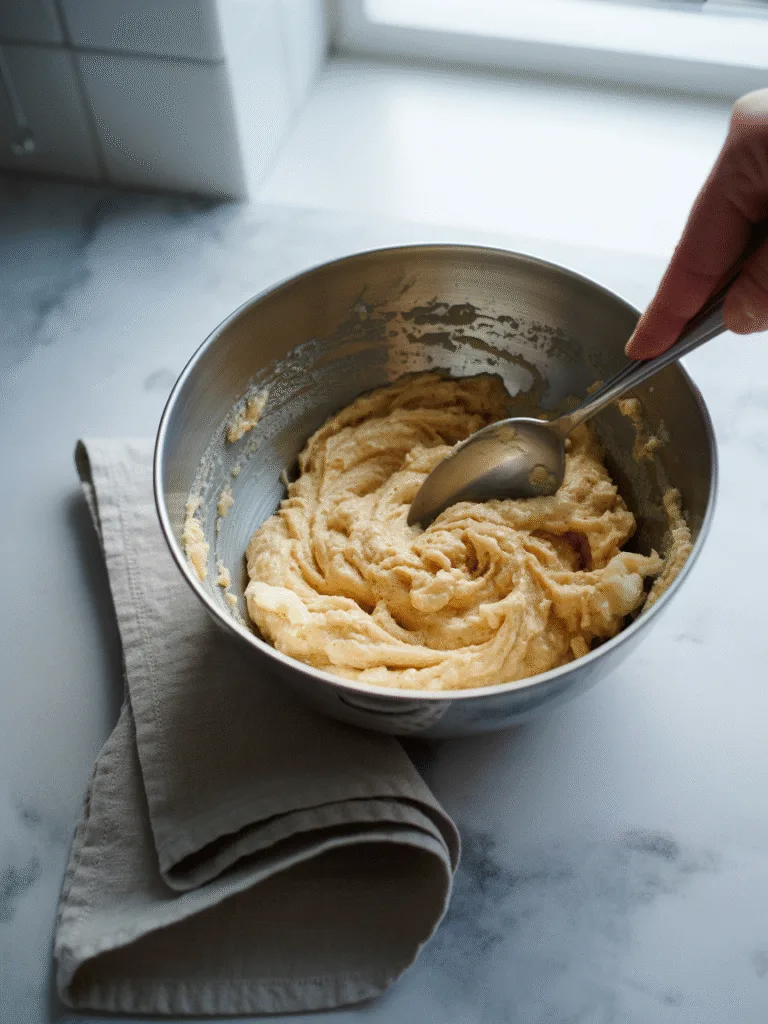
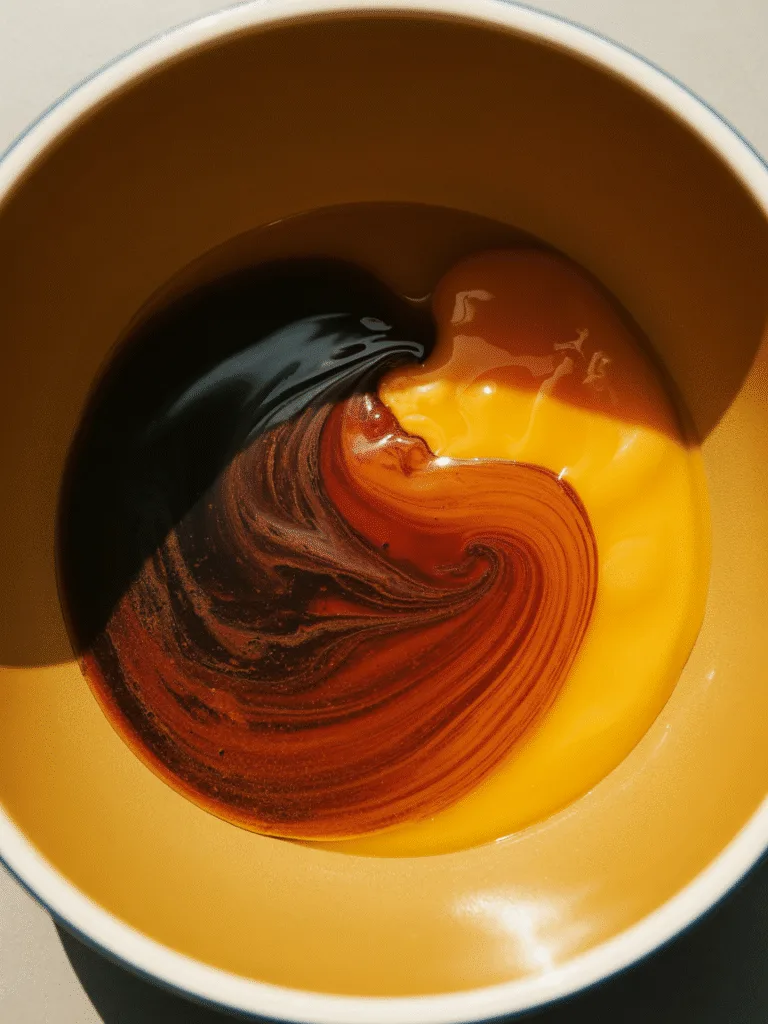
- Add molasses and egg: Stir until smooth; you want everything incorporated and glossy. If it splits, your butter might have been too cold—let the bowl sit in a pan of warm water for a minute, then mix again. Not perfect, but it usually comes back together.
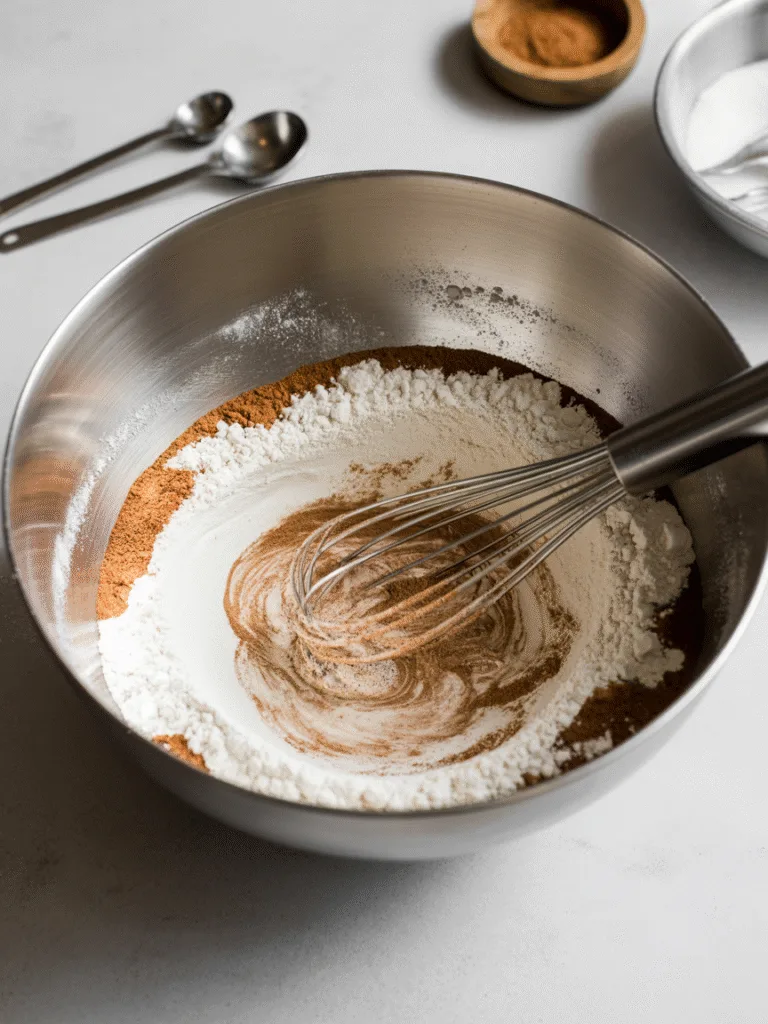
- Whisk dry ingredients: In another bowl, mix flour, spices, baking soda, and salt. Sift if you want to be extra clean, but honestly, a good whisk gets you 90% of the way.
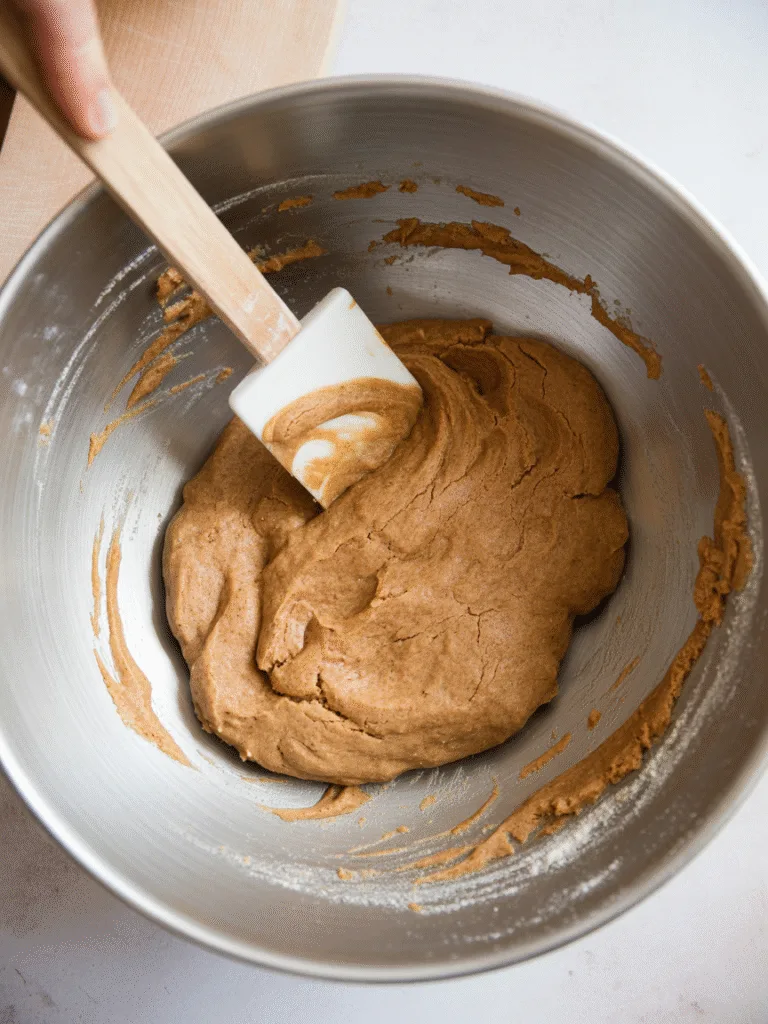
- Combine wet and dry: Stir just until you can’t see flour—don’t overmix. The dough will be stiff, maybe a little crumbly. Add a splash of milk or water if it’s too dry; chill if too sticky.
- Chill the dough: 1 hour minimum, overnight is best. Wrap tight in cling film. This step isn’t glamorous, but it makes a real difference—the flour hydrates, gluten relaxes, and spices calm down.
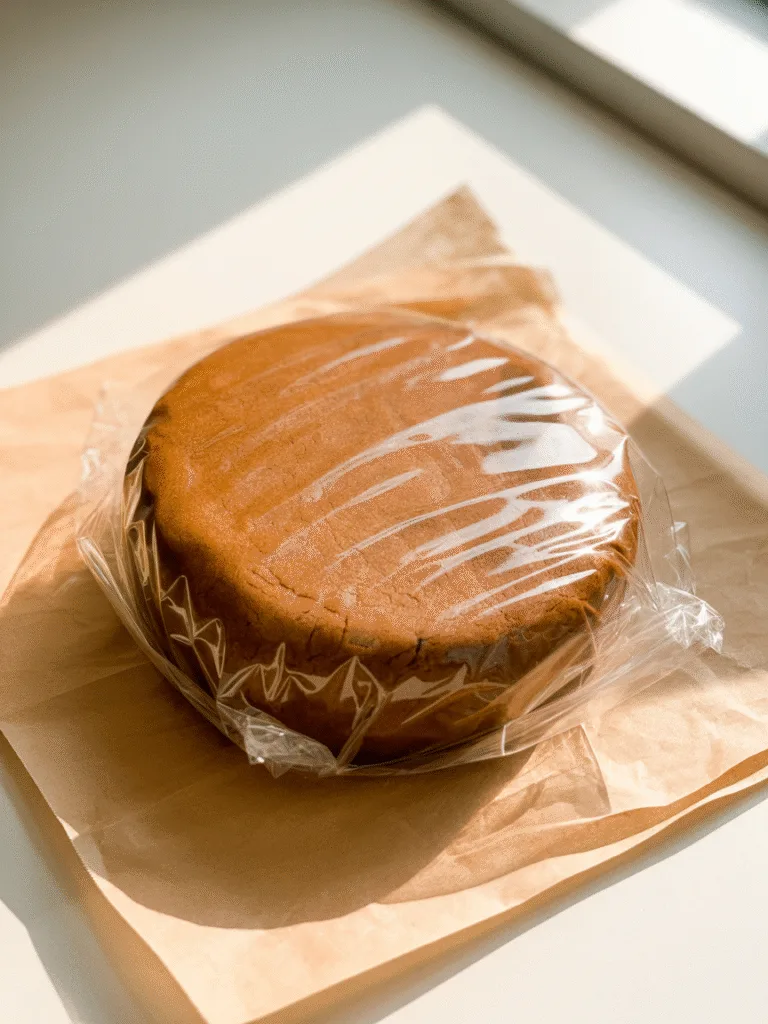
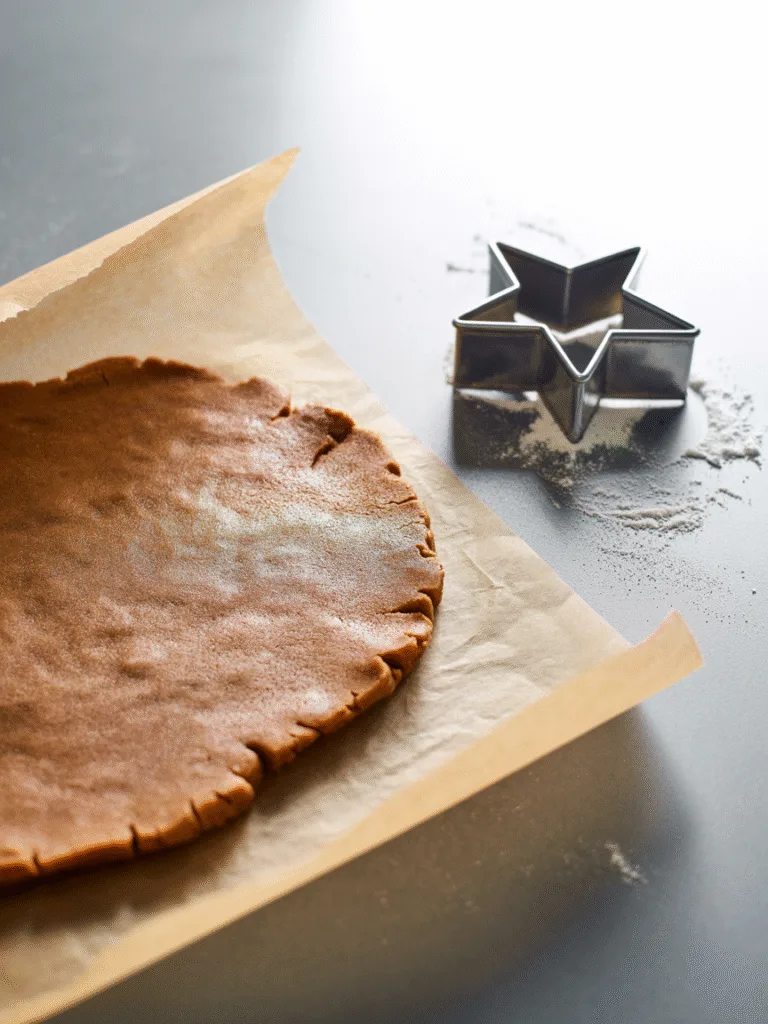
- Roll and cut: 5mm thick, between sheets of parchment. Flour your cutter to stop sticking. If the dough cracks, let it sit—it’s probably too cold.
- Bake: Middle rack, 190°C (375°F) for 8–10 minutes. Rotate halfway for even color. Edges should be set but centers still look soft—they’ll firm up as they cool.
- Cool: On the sheet 3–5 minutes, then move to a rack. If they bend, bake a minute longer next time.
What Goes Wrong (and How to Fix It)
Common gingerbread grievances, and my mistakes so you don’t have to repeat them:
- Too much spread: Butter too soft or dough underchilled. Chill longer, cool pans between batches.
- Tough cookies: Too much flour, overmixed, or overbaked. Weigh your flour, mix just until combined, check oven temperature.
- Gummy centers: Probably underbaked, or molasses got away from you. Bake until edges set, measure molasses carefully.
- Pale cookies: Old spices? Maybe your oven runs cool. Try new spices, check with a thermometer.
- Sticks to cutter: Dough too warm or not enough flour. Chill dough, flour cutter.
- Bitter taste: Could be too much clove or baking soda. Measure spices, maybe go easy the first time.
Swaps & Tweaks
I’ve tried a few things, sometimes on purpose, sometimes not:
- Egg-free: Applesauce, mashed banana, or flax and water—texture is a bit more crumbly but still tasty.
- Dairy-free: Coconut oil or vegan butter. Ghee is actually great here, adds richness.
- Gluten-free: Use a 1:1 flour blend, expect stickier dough—chill well, roll between parchment.
- Other flavors: Candied ginger (love the bite), orange or lemon zest (kid-pleaser), instant espresso (makes it seem grown-up), or brown ghee with coconut flakes (slightly exotic, honestly).
- Scale the recipe: Double or halve everything—even spices. For small batches, bake one sheet at a time for even cooking.
Storage, Freezing, and Other Realities
Once cooled, store in an airtight container—they keep a week on the counter. If you live somewhere humid, toss in a silica packet.
No need to refrigerate, but they’ll last up to 2 weeks in the fridge. Freeze baked cookies for 3 months, dough for up to 6. Thaw cookies for an hour, or let dough warm up in the fridge overnight before rolling.
Want to bring back the crunch? Warm in a 120°C (250°F) oven for 5 minutes.
Don’t freeze decorated cookies—the icing will weep.
What to Eat With, and Links to Dive Deeper
These are good on their own, but to gild the lily:
- Royal icing for decorating—link to your basic royal icing post with natural coloring tips.
- Cream cheese icing for something tangy and rich—link to your frosting roundup.
- Chai or spiced coffee on the side—suggest for your winter drinks roundup.
- Cream cheese caramel—link to your spiced caramel sauce recipe.
Frequently Asked Questions (Really, People Do Ask)
- Can I use honey instead of molasses? Sure, but the taste is milder and cookies paler. Reduce liquids a bit—honey is thinner.
- How do I stop spreading? Chill the dough, maybe cut back on the butter by 10% if you’re always fighting it.
- Make dough ahead? Up to 3 days in the fridge, or freeze for 6 months.
- Double the recipe? Do it, just mix in two batches if your bowl’s too small.
- No brown sugar? Use white sugar plus a little molasses, or jaggery.
- Gluten-free? Yes—just use a 1:1 flour blend.
Notes From My Kitchen
I’ve logged a few experiments, because sometimes mistakes are more educational:
- Batch 1: Added too much baking soda—cookies puffed, then fell flat. Dialed it back.
- Batch 2: Coconut oil for butter—good, but cookies spread more. Added extra flour.
- Batch 3: Only chilled 30 minutes—shapes blurred. Overnight solved it.
- Batch 4: Orange zest—brightens things up, kids loved it.
- Final: Settled on 4g baking soda, overnight chill, creamed butter until pale—best texture and flavor.
Nutrition & Legal (Because It’s 2025)
About 110 calories per cookie, 4g fat, 18g carbs, 1.5g protein—give or take, depending on your scale and brands. Use clean prep, refrigerate raw dough, and bake responsibly.
The Gingerbread Cookies Recipe Everyone Asks For
Course: DessertCuisine: AmericanDifficulty: Easy25
servings20
minutes10
minutes110
kcal1
hour30
minutesChill Time
1 hour
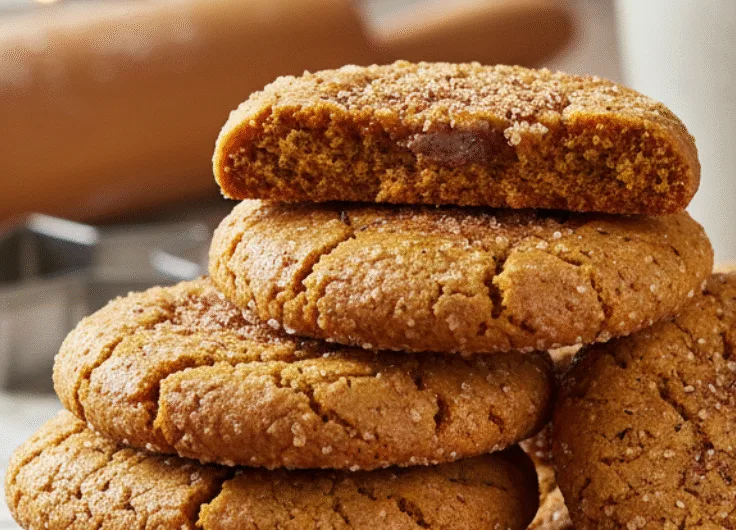
Nothing signals the holidays like gingerbread cookies—warm spices, deep molasses, and that perfect balance of crisp edge and chewy heart. Resting the dough overnight means every bite has just the right spice and snap. No mixer needed, no fuss, all reward.
Ingredients
All-purpose flour: 300 grams (about 2 1/2 cups)
Unsalted butter: 115 grams (1/2 cup)
Brown sugar: 150 grams (3/4 cup)
Molasses or jaggery syrup: 60 grams (3 tablespoons)
Egg: 1 large
Baking soda: 5 grams (1 teaspoon)
Ground ginger: 6 grams (about 1 tablespoon)
Ground cinnamon: 3 grams (1 teaspoon)
Ground cloves: 1 gram (1/4 teaspoon)
Salt: 3 grams (1/2 teaspoon)
Directions
- Cream Butter & Sugar:
In a large bowl, beat softened butter and brown sugar by hand for 5–7 minutes until pale and fluffy. Don’t rush—air is your friend. If the mix looks greasy, chill the bowl 10 minutes and try again. - Add Molasses & Egg:
Mix in molasses and egg until glossy and fully combined. If it curdles, the butter was too cold—warm the bowl briefly in hot water, then stir again. - Whisk Dry Ingredients:
In another bowl, whisk flour, spices, baking soda, and salt. Sift if you want especially smooth dough. - Combine Wet & Dry:
Stir dry mix into wet until no flour remains. Dough will be stiff but pliable. If too crumbly, add 1 tsp water/milk; if sticky, chill 30 minutes. - Chill Dough:
Shape into a disc, wrap, and chill at least 1 hour (overnight is best for flavor and texture). - Roll & Cut:
On parchment, roll dough to 5mm (1/4 inch) thick. Dip cutter in flour; cut shapes. If dough cracks, let warm for 5 minutes. - Bake:
Preheat oven to 190°C (375°F). Bake on middle rack for 8–10 minutes; edges should be set, centers soft. Rotate trays halfway. - Cool:
Let cookies set on sheet 5 minutes, then transfer to rack. If they bend, bake a minute longer next time.
Notes
- Common Problems & Fixes
Too much spread: Chill dough longer, cool sheets between batches.
Tough cookies: Weigh flour, don’t overmix or overbake.
Gummy centers: Bake until edges set, measure molasses carefully.
Pale cookies: Use fresh spices, check oven temp.
Sticks to cutter: Chill dough, flour cutter.
Bitter taste: Too much baking soda or cloves—measure carefully. - Swaps & Variations
Egg-free: 2 tbsp applesauce, mashed banana, or 1 tbsp flax + 3 tbsp water (slightly crumbly but tasty).
Dairy-free: Coconut oil or vegan butter—coconut oil adds a mild tropical note.
Gluten-free: Use 300g gluten-free 1:1 flour blend—expect stickier dough; chill well.
Flavor twists: Fold in 50g candied ginger, add orange/lemon zest, or try instant espresso powder for depth.
Scaling: Double or halve everything, including spices, for consistent results. Bake one sheet at a time for even heat. - Notes from the Kitchen
More baking soda = collapse: Stick to 4g for best puff.
Coconut oil spreads more: Add a little extra flour.
Chilling overnight = crisp edges, soft centers.
Orange zest: Brightens the flavor, a kids’ favorite.